What Are Cavitations—And Why They Matter in Dental Health
When it comes to oral health, most people think about cavities, gum disease, or maybe even root canals. But there’s another condition that doesn’t get much attention—even though it can have serious effects on your health: cavitations.
Cavitations are hidden, unhealed areas in the jawbone that can silently impact both your dental and overall health. Because they aren’t widely discussed in conventional dentistry, many patients have never even heard of them. At Janssen Dental Clinic, we believe in shining a light on conditions like cavitations that affect the whole body, not just the mouth.
What Are Cavitations?
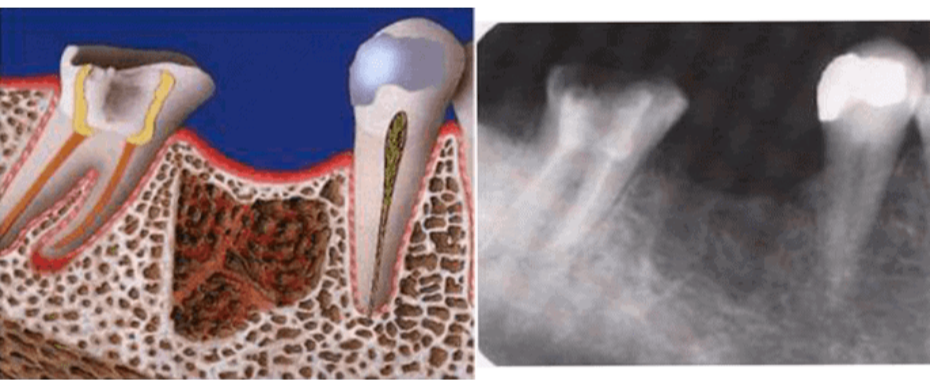
Cavitations are areas of bone in the jaw that fail to heal properly after trauma or extraction, leaving behind hollow, necrotic (dead) tissue. In simple terms, they are “holes” in the bone that should have filled in and healed—but didn’t.
Unlike cavities, which occur in teeth, cavitations affect the bone itself. They are often hidden beneath the gums and may not cause obvious symptoms at first, making them easy to miss during routine dental exams.
How Do Cavitations Develop?
The most common cause of cavitations is incomplete healing after a tooth extraction—especially wisdom teeth. When the periodontal ligament (the tissue that anchors the tooth) isn’t fully removed, or when blood flow to the area is compromised, the bone may never regenerate properly.
Other potential causes include:
Trauma to the jawbone
Failed or improperly performed root canals
Infections that damage bone tissue
From a biological dentistry perspective, cavitations form because the jawbone doesn’t receive the oxygen and nutrients it needs for proper healing. Instead of healthy bone, the space fills with dead tissue, which can harbor bacteria and toxins.
Symptoms and Health Implications
Cavitations can be tricky—sometimes they cause obvious pain, and other times patients have no symptoms at all. However, untreated cavitations may contribute to local and systemic health issues.
Possible symptoms include:
Chronic jaw or facial pain
Nerve pain or neuralgia
Earaches or sinus problems
Headaches or migraines
Numbness, tingling, or pressure in the face
Chronic fatigue or immune system challenges
Because cavitations often harbor toxins or bacterial byproducts, they can create a burden on the immune system and contribute to inflammation throughout the body. This connection to systemic health is one of the reasons holistic dentists pay close attention to them.
Quick Facts: Signs You Might Have a Cavitation
History of tooth extractions (especially wisdom teeth) that never seemed to heal fully
Persistent pain, tenderness, or pressure in the jawbone
Unexplained headaches, migraines, or facial pain
Ongoing sinus congestion or ear discomfort without clear cause
Numbness or tingling in the face or jaw area
Chronic fatigue or low energy linked to underlying inflammation
Dental X-rays showing “normal” results, but symptoms still present
Remember: not everyone with a cavitation has noticeable pain. Advanced imaging and proper evaluation are key.
How Are Cavitations Diagnosed?
One of the reasons cavitations are often overlooked is because they don’t always show up clearly on traditional dental X-rays. That’s why advanced imaging technology is so important.
At Janssen Dental Clinic, we use 3D cone beam CT scans, which allow us to view the bone in detail from multiple angles. This gives us a much clearer picture of whether a cavitation may be present.
Treating Cavitations
The good news is that cavitations can be treated effectively once they’re diagnosed. Treatment usually involves:
Cavitation surgery: removing the necrotic bone and infected tissue to create a healthy environment.
Biological healing aids: using ozone therapy to disinfect and platelet-rich fibrin (PRF) to promote natural healing.
Proper closure: ensuring the site heals completely, reducing the chance of recurrence.
This treatment removes the toxic environment, restores circulation, and allows the bone to heal properly—helping to relieve symptoms and reduce strain on the immune system.
Why Cavitations Matter in Holistic Dentistry
In traditional dentistry, cavitations are often dismissed or overlooked. But in holistic dentistry, we recognize that what happens in the mouth affects the entire body. Cavitations can act as hidden sources of infection and toxicity, quietly impacting systemic health.
By identifying and treating cavitations, we’re not just protecting your dental health—we’re supporting your overall well-being.
Prevention and Awareness
Not all cavitations can be prevented, but there are important steps patients and dentists can take:
Ensuring extractions are done thoroughly and properly.
Removing the periodontal ligament during extractions.
Using proper techniques and biological aids to promote healing.
Following up with imaging when symptoms persist or healing seems incomplete.
Awareness is the first step. Many people live with cavitations without knowing they exist. If you’ve had extractions or dental trauma and are experiencing unexplained health issues, it may be worth having an evaluation.
Cavitations may be hidden, but their impact can be significant. At Janssen Dental Clinic, we are committed to looking deeper—using advanced imaging and biological techniques to find and treat the root cause of health concerns.
If you’ve experienced chronic jaw pain, fatigue, or ongoing sinus or facial issues, it could be more than “just dental.” A cavitation evaluation may provide the answers you’ve been searching for.
Schedule an appointment with our team today to learn more about how we can help support your whole-body health.
About Janssen Dental Clinic in Green Bay, Wisconsin
Janssen Dental Clinic features the dental expertise of Dr. Craig Janssen, a third-generation dentist serving patients in Green Bay, Wisconsin, and the surrounding area. Dr. Craig and his staff specialize in oral health as a component of overall well-being, a philosophy of care known as biological dentistry. They have expertise in reducing the fear and anxiety that people of all ages feel over going to the dentist, with services ranging from routine cleanings to restorative and cosmetic procedures. Call (920) 983-8383 to schedule an appointment. New patients are always welcome.